Very A; Extremely A; Really want to do A
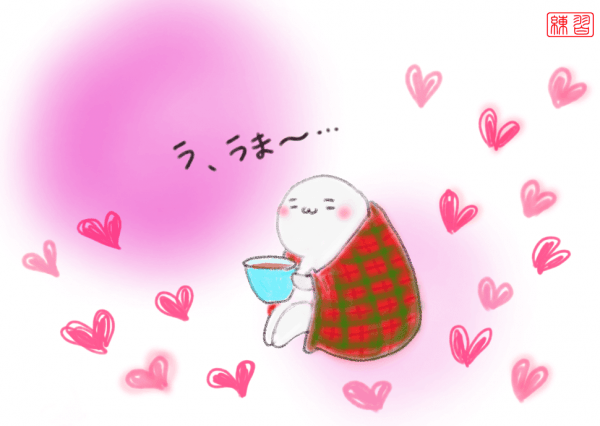
此のココアは美味しくて堪らない!
This cocoa is ridiculously good!
47
毎日プールで泳ぐのは楽しくて堪らない。
It's really fun to go swimming in the pool every day.
1
26
次のコンサートに行きたくて堪らない。
I really, really want to go to the next concert!
0
23
彼のカメラが欲しくて堪らない。
I'm dying for that camera.
3
18
将来のことが心配で堪らない。
I am full of anxiety about the future.
0
21
冷たい物を飲みたくて堪らない。
I'm dying for a cold drink.
0
27
私は外国へ行きたくて堪らない。
I am aching to go abroad.
0
20
昨日雨が降った所為で今日は蒸し蒸し為て堪らない。
Because it rained yesterday, it is unbearably humid today.
0
Getting the sentences
Construction
(Elements in parentheses are optional.)
Basic Examples:
煩くて堪らない (unbearably loud)
魅力的で堪らない (extremely charming)
寝たくて堪らない (desperately want to sleep)
Related Expressions
てしょうがない/てしかたがない
ならない
ならない
Where this grammar is found
Grammar usage notes
1)ある感情や体の感覚が起こってその状態が「強くて抑えられない」というときに使う。
2)話者の感情・体感・欲求を表すときに使う。3人称に使うときは文末に「ようだ・らしい・のだ」をつける必要がある。
3)自発を表す言葉「思える・泣ける」などといっしょには使えない。
◆ × 病気の母のことを思うと泣けてたまらない。
→○病気の母のことを思うと泣けてならない。
1)Inability to repress strong feelings or physical sensations.
2)Describes speaker's feelings, physical senses, or desires. For the third person, must append ようだ, らしい, or のだ to sentence ending.
3)Cannot be used with reflexive verbs such as 思える or 泣ける.てたまらない
2)話者の感情・体感・欲求を表すときに使う。3人称に使うときは文末に「ようだ・らしい・のだ」をつける必要がある。
3)自発を表す言葉「思える・泣ける」などといっしょには使えない。
◆ × 病気の母のことを思うと泣けてたまらない。
→○病気の母のことを思うと泣けてならない。
1)Inability to repress strong feelings or physical sensations.
2)Describes speaker's feelings, physical senses, or desires. For the third person, must append ようだ, らしい, or のだ to sentence ending.
3)Cannot be used with reflexive verbs such as 思える or 泣ける.てたまらない

てたまらない - positive/negative - expresses large degree of something
てはたまらない - negative - expresses how large degree of something is problematic
same for てかなわない and てはかなわない
てはたまらない - negative - expresses how large degree of something is problematic
same for てかなわない and てはかなわない
文法:てしかたがない・てしょうがない・てたまらない・てならない
機能:感情・感覚(強い)
形:いAくて・なAで しかたがない・しょうがない・たまらない・ならない
意味:とても___で、我慢できない。
※ A=感情や感覚の言葉(悲しい・嫌・痛い・痒い・~たい・・・)
例文:昨夜3時まで起きていたので、眠くてたまらない。
機能:感情・感覚(強い)
形:いAくて・なAで しかたがない・しょうがない・たまらない・ならない
意味:とても___で、我慢できない。
※ A=感情や感覚の言葉(悲しい・嫌・痛い・痒い・~たい・・・)
例文:昨夜3時まで起きていたので、眠くてたまらない。

Questions/Discussion
Nothing posted yet!


